

Gisele Merino is a professor and researcher at UDESC – Santa Catarina State University, in the Design Department. She leads the research group Human-Centered Design: Interprofessionality, an approach in UDESC projects.

Raúl Pinto was born in 1978 in South Africa, studied in Portugal, and opened his own design studio focused on interior and product design (Estúdio Ama) after graduating in Product Design (ARCA-EUAC). In 2009, he obtained a master's degree in Engineering Design (IST), and in 2011, the title of Specialist in Product Design (IPG; IPL; IPVC). He completed his doctoral thesis in 2025 at the University of Aveiro, titled "Design with Living Systems: Empirical Research and the Advancement of Tacit Knowledge Transfer." Currently, he is a guest lecturer at FBAUP in the Master's program in Product and Industrial Design, as well as at UTAD in the Bachelor's program in Sustainable Design.

Eugénio Merino is a professor and researcher at UFSC – Federal University of Santa Catarina, working in the Graduate Programs in Design and Production Engineering. With an interprofessional approach, he has been developing integrated activities among Design, Engineering, and Health.
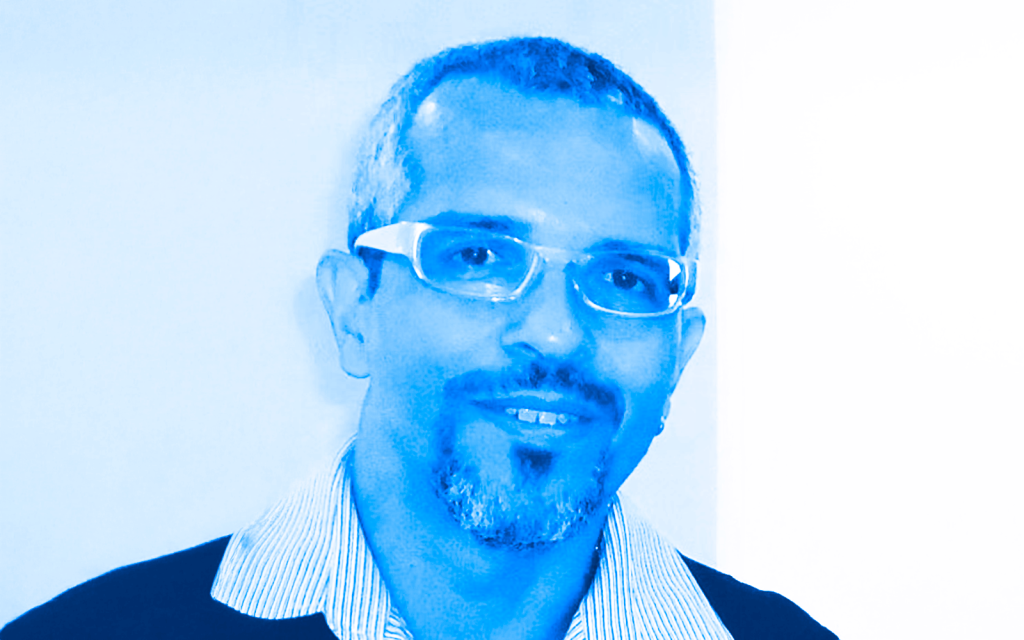
Itamar Silva holds a degree in Industrial Design and a master's degree in Production Engineering from the Federal University of Paraíba (Brazil), as well as a doctorate in Agricultural Engineering. He works as a professor in the Undergraduate Course and the Graduate Program in Design (Master's level) at UFCG. He was the Administrative Coordinator of the Design Department (2012–2016) and the Graduate Program Coordinator (2019–2023) at the same institution. Currently, he is a CNPq Research Productivity Fellow – Level C and the Coordinator of the Research Group DIS (Design, Innovation, and Sustainability). His Scientific Initiation projects address themes related to the environment, bio-inspired design, scanning and 3D printing technologies, and inclusive design, with a primary focus on product development.

Daniel Raposo holds a Ph.D. in Design and completed a Postdoctoral Fellowship at the Faculty of Architecture at the University of Lisbon. He has a Master's in Design, Materials, and Product Management from the University of Aveiro and a Bachelor's degree in Communication Design with a specialization in Graphic Design and Advertising from the Polytechnic Institute of Portalegre. He also holds a Level III Technical Design Course from the Nuno Álvares High School. He is a researcher in Brand Visual Identity Design projects, serving as Principal Investigator in R&D projects that promote innovation, sustainable development, creativity, entrepreneurship, social economy, inclusion, and the enhancement of endogenous resources and natural, intangible, and built heritage. He led the team responsible for creating the Strategic Plan for the Bauhaus Villages in EUROACE (Central and Alentejo Regions of Portugal and Extremadura, Spain). Currently, he is a Design researcher at CIAUD — Research Centre in Architecture, Urbanism, and Design — and at Rethink — Research Group in Design for the Territory. He is Editor-in-Chief of Convergências – Journal of Research and Teaching in the Arts, Associate Editor of The Design Journal (Taylor & Francis), Associate Editor of InfoDesign – Brazilian Journal of Information Design, and Co-Editor-in-Chief of Design Behaviors Journal (South Korea). He has also chaired international scientific conferences on design and multidisciplinary themes, acted as a reviewer for several international journals and conferences, and is the author/editor of books, book chapters, and articles indexed in Scopus and WoS, as well as technical books.

José Guilherme Santa Rosa is a Professor and Researcher at UFRN – Federal University of Rio Grande do Norte. An expert in design and innovation in interfaces, Guilherme is committed to exploring accessibility solutions geared towards neurodivergent users, contributing to more inclusive practices in the field of design.
Guilherme leads the Ergodesign and Human-Computer Interaction research group, oversees the Central Campus Research Ethics Committee, and heads Lexus – the Ergodesign Interface Laboratory, where he develops projects that combine scientific rigor, social impact, and user focus.

Pedro Cardoso is a Designer and Assistant Professor in the Design Department at the Faculty of Fine Arts, University of Porto. He is also a researcher at i2ADS – Research Institute in Art, Design, and Society. His work lies at the intersection of Art, Design, Interaction, and Experience, exploring the potential of games and computational systems as artifacts for creative thinking, innovation, and critical reflection. His research is distinguished by its approach to poetic and aesthetic processes in multidisciplinary contexts, promoting new forms of affective relationships and social intervention through technology.